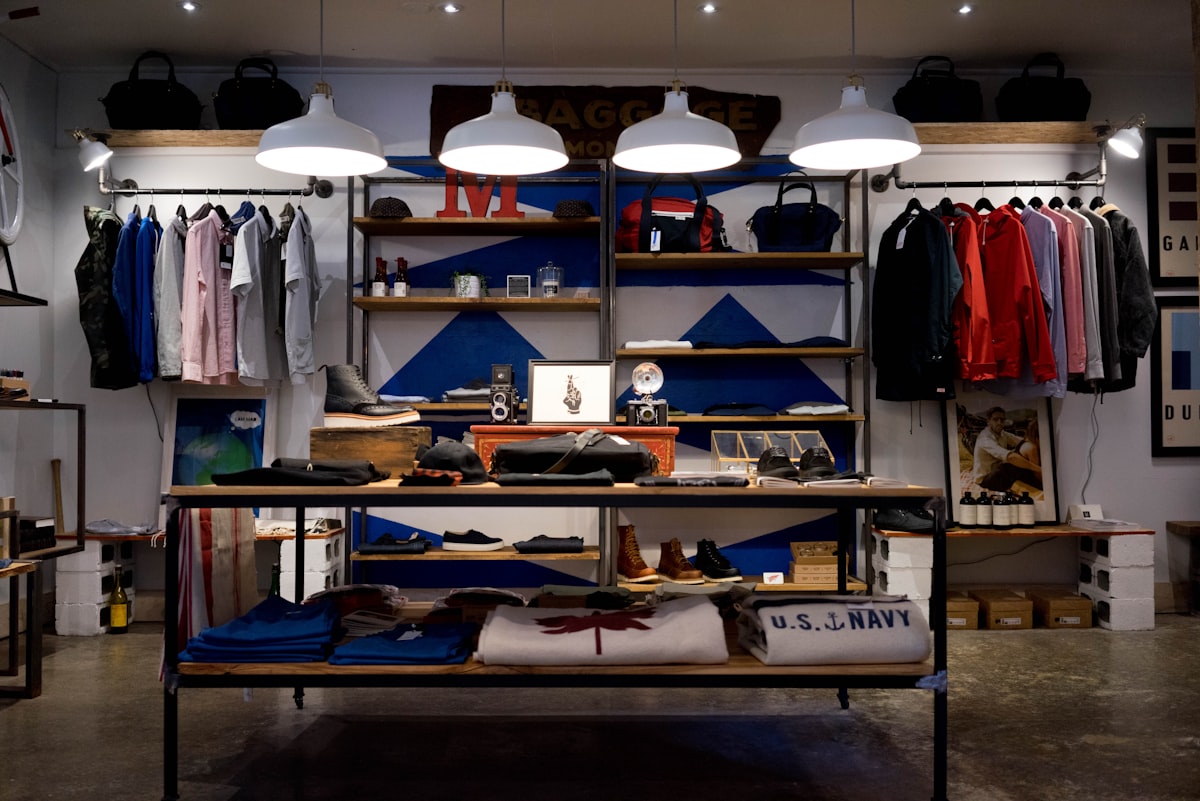
Abuja is no longer merely the administrative heart of Nigeria. Over the past three years, the city has undergone a remarkable transformation into a legitimate luxury retail destination — one that is beginning to rival Lagos in sophistication, if not yet in scale. The drivers behind this shift are structural, not cyclical, and they suggest that Abuja's emergence as a luxury market is permanent.
The Federal Capital Territory has always possessed the raw ingredients for a luxury market: extraordinary concentrations of political power, diplomatic communities with international tastes, a growing professional class, and — crucially — disposable income that is often higher per capita than Lagos due to lower living costs and the presence of federal government salaries at the highest levels.
What was missing was the supply side. For years, Abuja residents who wanted premium fashion, Swiss watches, fine jewellery, or bespoke tailoring had to fly to Lagos or travel internationally. That gap is now closing rapidly.
The New Retail Landscape
Maitama: The Luxury Corridor
Maitama has emerged as Abuja's primary luxury retail district. Along its tree-lined streets, a growing cluster of high-end boutiques, concept stores, and brand showrooms are creating a retail experience that would not be out of place in London's Mayfair or Dubai's City Walk. The rents here have increased by 40% over the past two years, reflecting demand from retailers who recognise the untapped purchasing power of Abuja's elite.
Notable developments include the arrival of authorised dealers for Swiss watch brands that previously had no formal presence in northern Nigeria. These boutiques — operating in purpose-built, climate-controlled showrooms with trained horologists on staff — represent a significant commitment to the Abuja market. When a brand invests in a permanent physical presence, it is making a bet on sustained long-term demand, not chasing a trend.
Asokoro: Bespoke and Private
Asokoro's luxury retail presence is more discreet, reflecting the preferences of its predominantly political and diplomatic residents. Here, the retail model is appointment-only showrooms, private trunk shows, and bespoke services that come to the client rather than requiring them to visit a store. Several European fashion houses maintain "by appointment" spaces in Asokoro, staffed by personal shoppers who maintain detailed client profiles and curate selections based on individual taste and occasion requirements.
The most discerning customers in Nigeria don't want to browse. They want someone who already knows their preferences to bring them exactly what they need.
The Role of Nigerian Designers
Perhaps the most exciting development in Abuja's luxury retail scene is the maturation of indigenous Nigerian fashion brands. A new generation of designers — trained at the world's best fashion schools and returning home with technical excellence and cultural confidence — are building brands that command prices comparable to international luxury labels. These designers are choosing Abuja as their primary market, recognising that the city's consumers are willing to invest in quality, craftsmanship, and the prestige of wearing genuinely original Nigerian fashion.
Why Abuja Matters for Luxury Brands
For international luxury brands evaluating the Nigerian market, Abuja offers several strategic advantages over Lagos. The customer base, while smaller, is more concentrated geographically and more predictable in its spending patterns. The diplomatic community provides a steady stream of international consumers familiar with luxury shopping. And the competitive landscape is less crowded, offering first-movers the opportunity to establish dominant market positions before the space becomes saturated.
For LAPEQ members, Abuja's emerging luxury retail ecosystem represents both a lifestyle enhancement and, for those with entrepreneurial ambitions, a potential business opportunity. Our concierge team maintains relationships with all major luxury retailers in the FCT and can arrange private shopping appointments, early access to new collections, and introductions to verified Nigerian designers for bespoke commissions.